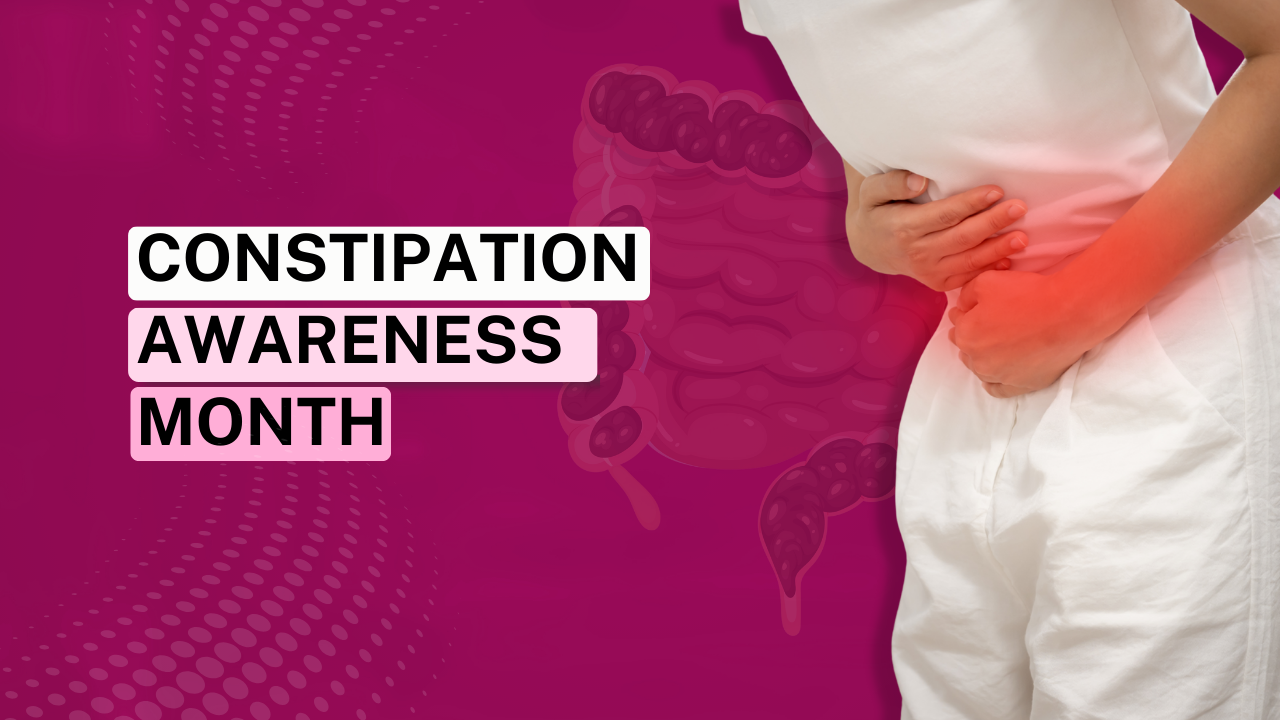
Constipation is becoming more common, yet many people are not sure what it really means. Some count how many times they pass stool, others focus on straining, pain, or a constant feeling of “not fully done.” As healthcare professionals, it is important to first understand what each person means when they say they are constipated.
What do we mean by constipation?
- Traditionally defined as three or fewer bowel movements per week.
- For many people, it also includes hard stools, excessive straining, or a sense of incomplete emptying.
- The key is to match medical definitions with the patient’s lived experience.
Common causes :
- Low fibre intake, less water, and sedentary behaviour.
- Stress, irregular sleep, disrupted schedules, and travel across time zones.
- Medications (like opioids, iron, some antidepressants, antacids, anticonvulsants) and medical conditions such as IBS, diabetes, hypothyroidism, neurological disorders, and, rarely, cancers.
- Ageing and laxative overuse
Types of chronic constipation:
- Functional (primary):
- Normal transit: bowels move normally but the person still feels constipated; often responds to fibre and simple laxatives.
- Slow transit: sluggish colon muscles; does not usually respond to fibre or standard laxatives.
- Outlet constipation/defecation disorder (pelvic floor dysfunction): incoordination of pelvic floor muscles; soft stools but difficult to pass, prolonged straining, sometimes needing manual help; may respond better to biofeedback and relaxation than to medicines.
- Secondary constipation:
- Triggered by underlying diseases or medications and needs medical evaluation.
Laxative misuse: why “more” is not better
- Possible interactions with other medicines.
- Worsening constipation if an underlying disease is being missed.
- Dehydration, electrolyte imbalance, and dependency when the bowel “forgets” how to
contract on its own. - Herbal “colon cleanses” are not automatically safe and can also cause harm.
Practical tips that actually help
- Diet: combine soluble and insoluble fibre with enough water; consider probiotics under
guidance. - Timing: respect natural urges and encourage regular toilet habits from childhood.
- Lifestyle: daily movement, good sleep, and stress‑management practices can ease
symptoms.
When to see a doctor
- If constipation does not improve with lifestyle changes, or is long‑standing, painful, or associated with red‑flag symptoms, it is time to see a doctor or gastroenterologist for a proper assessment and safe treatment plan.
Takeaway points:
- Constipation is not just “going less often”; it also includes hard stools, straining, and a feeling of incomplete emptying.
- Causes are usually multi‑factorial: low fibre, low fluids, inactivity, stress, irregular routines, medications, and medical conditions can all play a role.
- Chronic constipation has different types (normal transit, slow transit, and outlet/pelvic floor dysfunction), and each may need a different treatment approach.
- Laxatives and “herbal cleanses” are not harmless; frequent or long‑term use can cause dependence, dehydration, and mask serious underlying problems.
- Sustainable relief comes from basics; fibre, water, movement, regular toilet habits, sleep, and stress management and seeing a doctor when symptoms persist or worsen.