
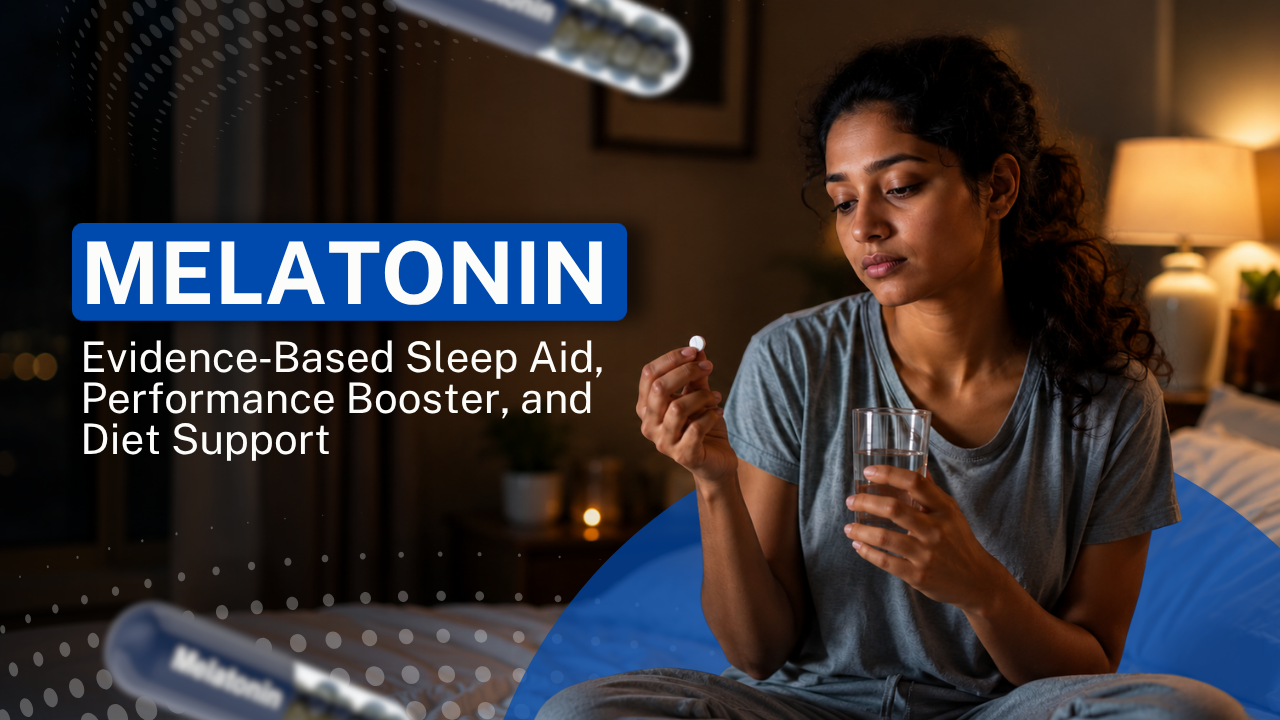
What is melatonin?
- Melatonin is a neurohormone produced mainly by the pineal gland that regulates the sleep–wake cycle and circadian rhythm.
- Light exposure suppresses melatonin release, with levels rising in the evening to promote sleep onset and consolidation.
Key functions and benefits
- Sleep and circadian rhythm
-
- Melatonin helps reduce sleep‑onset latency and improve sleep quality, especially in jet lag, shift‑work sleep disorder, and delayed sleep–wake phase.
-
- Evidence is mixed in chronic insomnia, with some trials showing modest gains and others no clear benefit over placebo.
- Mood, metabolism, and immunity
-
- Recent reviews suggest modest improvements in mood and anxiety when sleep disruption is prominent.
-
- Melatonin may support glucose control in type 2 diabetes, small weight changes, gut health, and immune function, but effects are variable and not strong enough to use as a standalone treatment.
- Neurodegeneration and cancer
-
- Preliminary data hint at benefits in selected neurodegenerative diseases and as an adjunct in cancer therapy, but standard treatments should never be replaced.
Melatonin and sports performance
- Athletes taking 3–6 mg melatonin 30–60 minutes before bedtime may experience:
-
- Better maintained repeated sprint performance.
-
- Reduced fatigue and less muscle soreness up to 72 hours after intense training.
- Dose and timing should be individualised under supervision, especially to avoid grogginess or slowed reaction time.
Low‑carb and keto diets: how they help melatonin and sleep
- Well‑formulated low‑carb and ketogenic diets can enhance sleep quality by:
-
- Strengthening GABAergic tone and improving slow‑wave and deep sleep.
-
- Stabilising circadian rhythms and reducing sleep fragmentation, especially in people with metabolic or neurological conditions.
- When combined with good sleep hygiene (evening light control, consistent bedtime, and avoiding late heavy meals), low‑carb/keto eating can complement melatonin’s circadian and sleep‑support effects.
Safety, dosing, and practical tips
- Dosing and timing
-
- Typical range: 0.3–5 mg; 3–6 mg may be used in shift‑work or athletes under guidance.
-
- Take 30–90 minutes before bedtime; some delayed‑phase cases benefit from slightly earlier dosing.
- Safety
-
- Short‑term use is generally safe; common side effects include headache, drowsiness, and vivid dreams.
-
- Choose reputable brands because many products contain more (or less) melatonin than labelled and may be contaminated with serotonin.
Takeaway:
- Melatonin is most useful for circadian‑related sleep problems and may modestly support mood, metabolism, immunity, and sports recovery.
- Always discuss use with your healthcare provider, especially if you have chronic disease, take other medications, or are an athlete planning regular supplementation.
– Anamta Kazi, Clinical & Sports Nutritionist